
patterned safety glass
Understanding Non-Return Valve Types A Comprehensive Guide In the world of fluid dynamics and control systems, valves play a crucial role in ensuring the proper flow of liquids and gases. Among these, non-return valves—widely known as check valves—are essential components that prevent backflow, ensuring fluids flow in only one direction. This article aims to explore the different types of non-return valves, their functionalities, and applications. What is a Non-Return Valve? A non-return valve is a type of valve that automatically prevents the reverse flow of fluid. It functions based on differential pressure, with the valve opening when the fluid flows in one direction and closing when the flow reverses. This characteristic is crucial in various applications, including water supply systems, sewage systems, and industrial processing. Types of Non-Return Valves There are several types of non-return valves, each designed for specific applications and operating conditions. Here are some of the most common types 1. Swing Check Valve Swing check valves use a hinged disc that swings open to allow fluid to pass and swings shut to prevent backflow. They are often used in horizontal pipelines and are best suited for high-flow systems. However, they may require a certain amount of fluid pressure to completely close. 2. Lift Check Valve In contrast to swing check valves, lift check valves feature a disk that moves vertically inside the valve body. The fluid pressure acts on the disk, lifting it to allow flow . When the pressure drops or reverses, the disk falls back into its seat, preventing backflow. These valves are ideal for vertical installations or applications that require quick response times. non return valve types 3. Ball Check Valve Ball check valves utilize a spherical ball that moves within a cylindrical chamber. The ball is lifted off its seat by the flow of the fluid, allowing passage. When the direction of flow reverses, the ball falls back onto its seat, sealing off the flow. These valves are compact and can handle various fluid types, making them suitable for both water and chemical applications. 4. Dual Plate Check Valve This type features two plates that open to allow fluid flow. As the flow stops or reverses, the plates quickly close, minimizing backflow. Dual plate check valves are compact and lightweight, making them ideal for high-pressure applications and environments where space is a constraint. 5. Spring-Loaded Check Valve Also known as a spring check valve, this type utilizes a spring mechanism to hold the valve in a closed position until the pressure from the incoming fluid is sufficient to open it. As a result, these valves provide enhanced sealing capabilities and are suitable for applications where precise control is necessary. Applications of Non-Return Valves Non-return valves are employed in numerous industries and applications, including - Water and Wastewater Treatment Preventing the backflow of contaminated water into clean water supplies is critical for public health. - HVAC Systems Ensuring that heated or cooled air does not flow backward in ventilation systems. - Pumping Systems Protecting pumps from damage caused by backflow, which could lead to increased wear and tear or pump failure. - Industrial Processes Non-return valves are commonly used in pipelines for chemicals and other fluids, safeguarding systems from backpressure and contamination. Conclusion In conclusion, non-return valves are vital components in various fluid systems, providing safety, efficiency, and reliability. With several types available, choosing the right non-return valve for a specific application depends on factors such as pressure requirements, fluid types, and installation conditions. Understanding these different types and their uses can significantly enhance system performance and longevity, making a well-informed selection critical in design and operational phases.
about
patterned safety glass
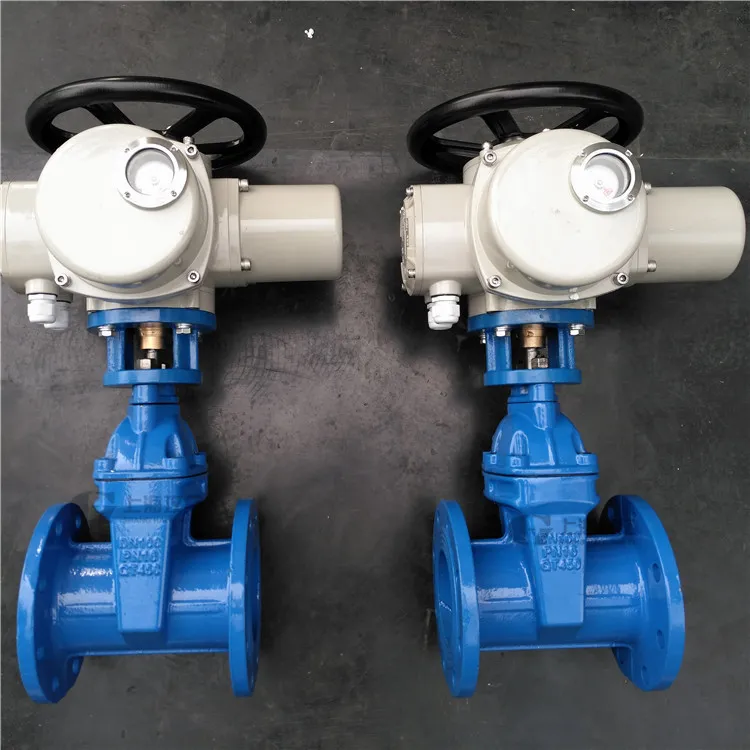
In various fluid control applications, understanding the differences and functionalities of valves is crucial. This guide explores the essentials of gate valve & globe valve , along with specific types like gate valve 1 1/4 inch and gate valve 150 mm . Understanding Gate Valve & Globe Valve The comparison between gate valve & globe valve begins with their core functions. A gate valve is primarily designed for on/off control, allowing for unrestricted flow when fully open. In contrast, a globe valve excels in regulating flow, providing precise control over liquid movement. This fundamental difference makes each type suitable for distinct applications, ensuring optimal performance in various systems. Benefits of the Gate Valve 1 1/4 Inch The gate valve 1 1/4 inch is an ideal choice for smaller residential plumbing systems. Its compact size allows for easy installation in tight spaces, making it versatile for various applications. This valve effectively shuts off water flow with minimal resistance when fully opened, ensuring efficient operation in household plumbing, irrigation, and similar settings. Its reliability and straightforward functionality make it a preferred option for homeowners and plumbers alike. Advantages of Using Gate Valve 150 mm For larger industrial applications, the gate valve 150 mm stands out as an excellent choice. Designed to handle higher flow rates, this valve is commonly used in municipal water systems, chemical processing, and other industrial environments. The gate valve 150 mm enables quick isolation of sections within a pipeline, which is critical during maintenance or emergencies. Its robust construction ensures longevity and performance even under significant pressure, making it a trusted option for large-scale operations. Choosing the Right Valve Size When selecting between a gate valve 1 1/4 inch and a gate valve 150 mm , the size of your system and specific requirements play a vital role. For smaller applications, the gate valve 1 1/4 inch provides efficient flow control without overwhelming the system. However, in larger industrial setups where high flow is necessary, the gate valve 150 mm is essential to maintain performance and safety. Understanding your system's needs is key to making an informed decision. In summary, recognizing the differences between gate valve & globe valve and understanding the specific applications of the gate valve 1 1/4 inch and gate valve 150 mm can significantly enhance your fluid control system. Each valve type has unique advantages tailored to different operational requirements. By choosing the appropriate valve for your needs, you can ensure optimal efficiency and reliability in your plumbing or industrial applications.
-

High quality industrial productsagement

High quality industrial products
View Details -

Meet the diverse needs of customers

Meet the diverse needs of customers
View Details -

Strict quality control

Strict quality control
View Details -

Top raw materials

Top raw materials
View Details -

Trusted supplier

Trusted supplier
View Details
Our application


news and information
Válvula de retención 8an y su importancia en sistemas hidráulicos.
8an check valve .

Welding and Fabrication Techniques for Efficient Metal Assembly and Construction
Understanding the Welding Fabrication Table A Comprehensive Overview Welding fabrication tables play
Wood Fence Post Cap
Wood Fence Post Caps Enhancing the Beauty and Functionality of Your Outdoor Space A wood fence post
 English